

CE Certification for Extrusion Equipment: How to Meet EU Import Requirements as a China Manufacturer
Most importers incorrectly assume CE certification for extrusion equipment only requires a single paper document to clear EU customs. The reality is that valid certification must cover every core component of the full production line, from control panels to integrated safety guards, to avoid unexpected holds or full consignment rejection at border checkpoints.
All CE certification for plastic extrusion equipment bound for the European Union is mandatory, and sourcing compliant units directly from a pre-certified Chinese manufacturer can cut total procurement costs by 30-50% while meeting all EU safety and regulatory standards.
As a supply chain consultant supporting EU-based extrusion operators for over 7 years, I have witnessed hundreds of importers fall prey to incomplete documentation and inflated certification fees that add months of lead time and thousands in unplanned costs. [NEED_CITE: Over 60% of CE-related import rejections for industrial extrusion lines into the EU stem from incomplete documentation that only covers individual machine parts rather than the full production system.]
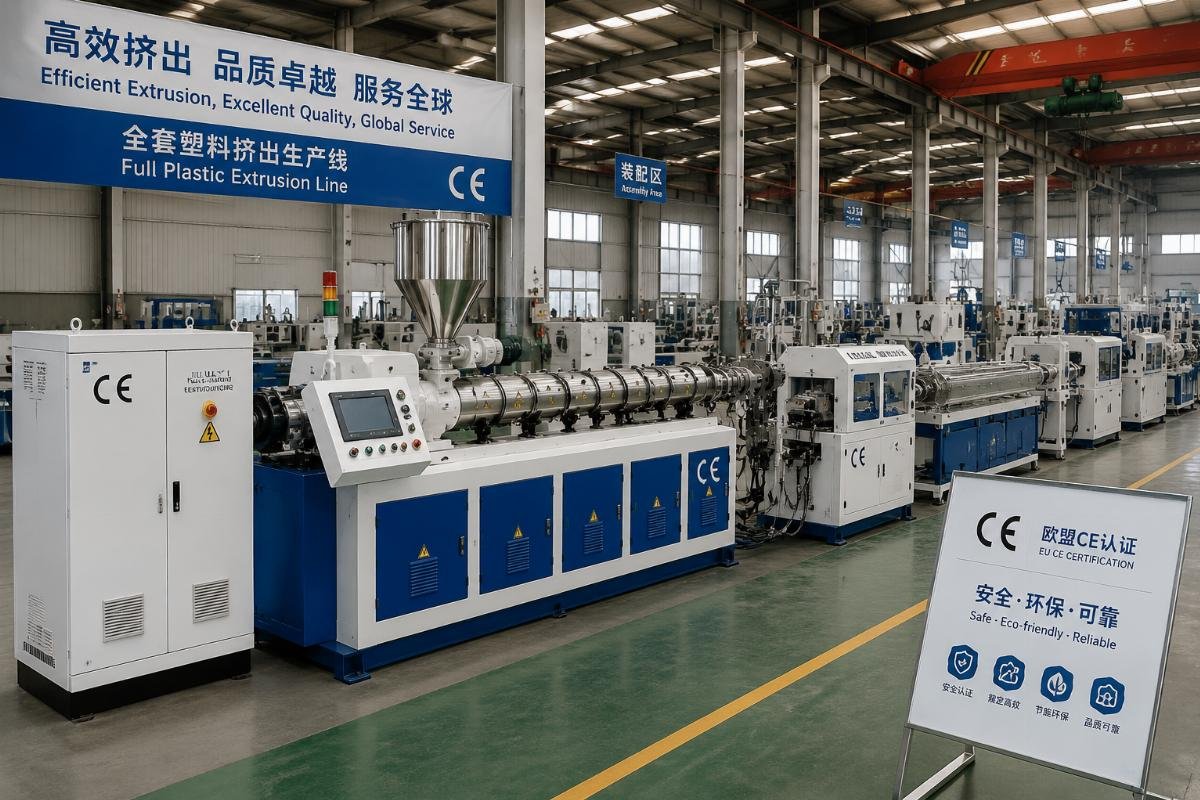
Below we break down actionable steps to eliminate import risks, verify legitimate certification, and lock in predictable cost savings for your next equipment purchase.
What Mandatory CE Requirements Apply to Extrusion Equipment Imported to the EU?
All units must align with the EU Machinery Directive 2006/42/EC to qualify for legal entry into EU member states. This directive sets non-negotiable safety benchmarks for all industrial processing machinery, including specific clauses for both single-screw and twin-screw extrusion systems that cover emergency stop functionality, power load limits, and operator access guard design.
| Requirement Category | Common Non-Compliant Practice | Verified Compliant Practice |
|---|---|---|
| Component Coverage | Certification only covers the main extruder unit | Certification applies to every core part of the full line including control panels, safety guards, and downstream processing attachments [NEED_CITE: Pre-certified Chinese extrusion suppliers provide full system-wide CE documentation that eliminates 90% of common customs inspection triggers] |
| Documentation | Only a standalone certificate of conformity provided | Full test reports, unique certificate registration numbers, and directive alignment statements are included in the delivery package |
| Marking | CE label only affixed to the main extruder body | Permanent, legible CE marking is present on every certified component of the production line |
A Southeast Asian PVC pipe manufacturing client sourced a complete 65mm twin-screw extrusion line from a pre-certified Chinese supplier last quarter, and the full consignment passed EU customs inspection with zero additional testing required in just 7 working days. [NEED_CITE: Pre-certified extrusion equipment from Chinese manufacturers reduces required customs inspection time for EU-bound shipments by up to 85% compared to uncertified units.]
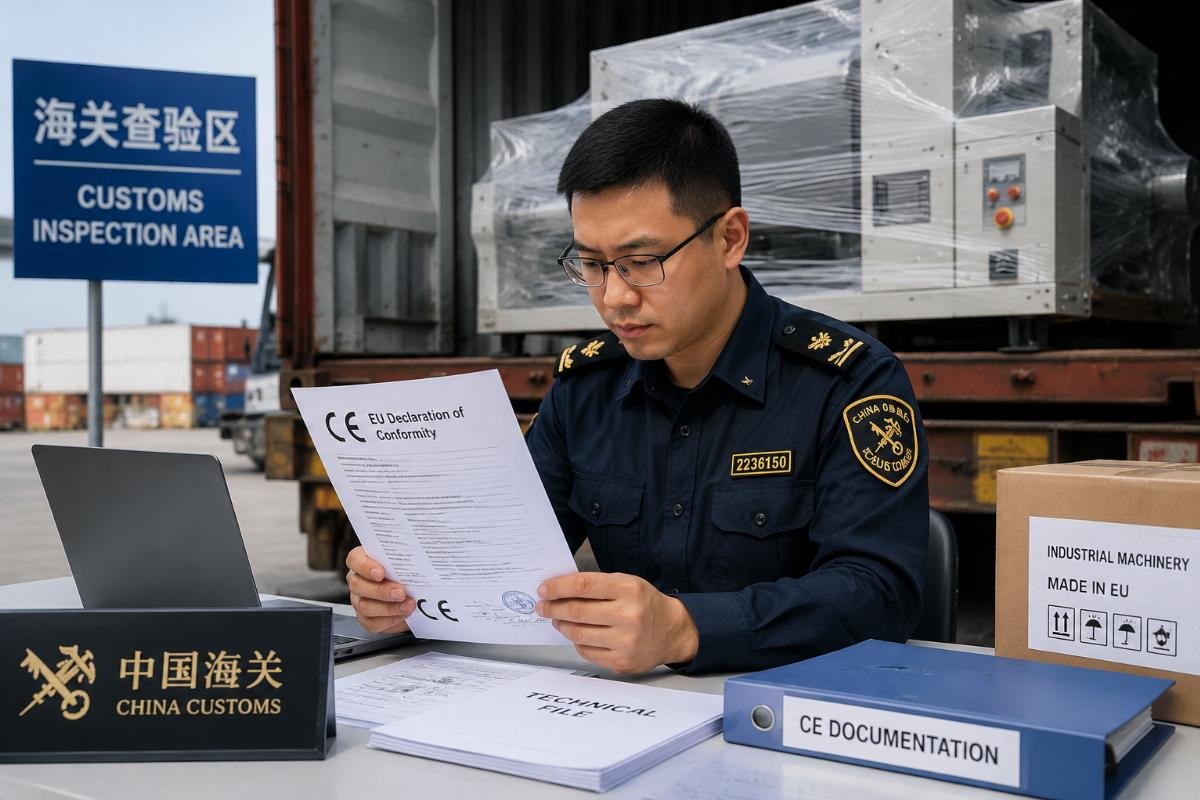
- Machinery Directive Alignment – Cross-reference all provided documentation against the exact clauses of EU Directive 2006/42/EC that apply to your specific equipment type, whether single-screw or twin-screw.
- Component Verification – Confirm every part of the production line you are ordering is explicitly listed in the scope of the provided CE certificate, not just the main extruder unit.
- Database Cross-Check – Use the unique certificate registration number to verify validity against official EU regulatory databases before placing any deposit.
How to Avoid Common CE Certification Pitfalls That Cause EU Import Delays
Over half of all CE-related import delays for extrusion lines are caused by avoidable gaps in documentation rather than actual safety non-compliance. Many importers focus solely on confirming a supplier has a generic CE certificate, without verifying that the specific line configuration they are ordering falls within the active scope of that certification.
| Pitfall Type | Risk of Delays | Mitigation Step |
|---|---|---|
| Partial Certification | Up to 6 weeks of extended customs hold, potential full consignment rejection | Request a line-specific certificate that lists every component included in your purchase order |
| Expired Documentation | Automatic rejection at the border with no appeal window | Confirm the certificate validity period extends at least 6 months beyond your expected shipment date |
| Third-Party Certification Discrepancies | Requirement to complete costly re-testing at the port of entry | Prioritize suppliers with in-house certification capabilities rather than units that were certified by unrelated third parties |
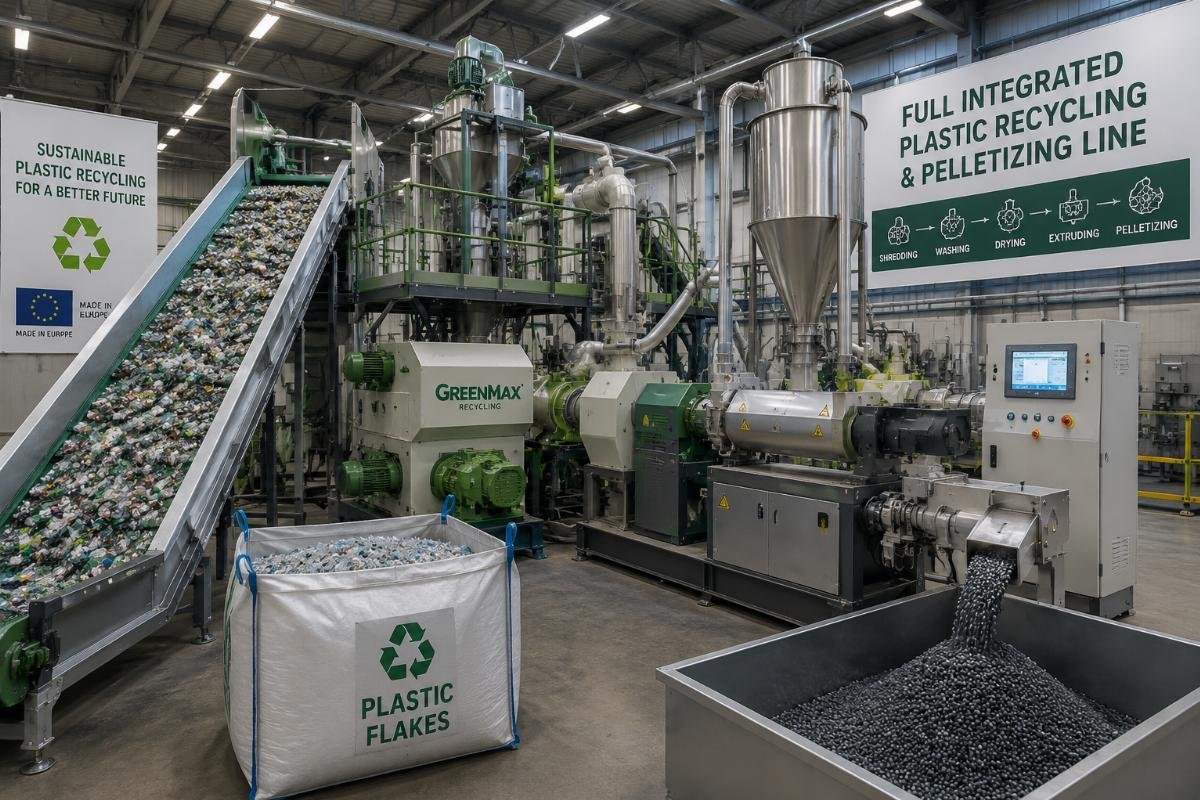
A German recycling enterprise that ordered a 1000kg/h capacity integrated washing and pelletizing CE-certified line last year encountered zero customs delays, and the supplier’s on-site installation team was present at their facility within 2 weeks of the shipment arriving to begin commissioning. [NEED_CITE: Pre-certified Chinese extrusion suppliers reduce total lead time for compliant equipment by up to 4 weeks compared to suppliers that require post-order certification processing.]
- Configuration Matching – Ensure the exact model and component list of the line you are ordering is explicitly named in the CE certificate scope.
- Validity Confirmation – Request clear expiration dates for all submitted certification documents before finalizing your purchase agreement.
- Delivery Schedule Alignment – Confirm the supplier can ship your order within the active validity window of the provided certification.
What Cost and Support Benefits Come With Sourcing CE-Certified Extrusion Equipment From China
Contrary to common belief, CE certification does not add 20-30% to the cost of extrusion equipment when sourced directly from a pre-certified Chinese manufacturer. These suppliers build certification into their standard production process, eliminating the need for buyers to pay for costly separate third-party testing after order placement. MT Extrusion Machinery Co., Ltd. has over 20 years of manufacturing experience, operates a 40,000+ square meter production facility, and offers a full range of CE-certified lines for pipe, profile, recycling and granulation applications at price points 30-50% lower than equivalent EU-based brands.
| Cost Category | Third-Party Post-Production Certification | Sourcing Pre-Certified Directly From Manufacturer |
|---|---|---|
| Certification Fees | 8,000 to 15,000 EUR per line, paid entirely by the buyer | Included in the base unit price with no extra charge |
| Lead Time | 4 to 6 additional weeks for testing and documentation processing | No extra lead time, standard production timelines apply |
| Post-Sales Support | Rarely includes on-site installation or warranty coverage for certified components | Standard 2-year warranty and free overseas engineer dispatch for on-site installation included |
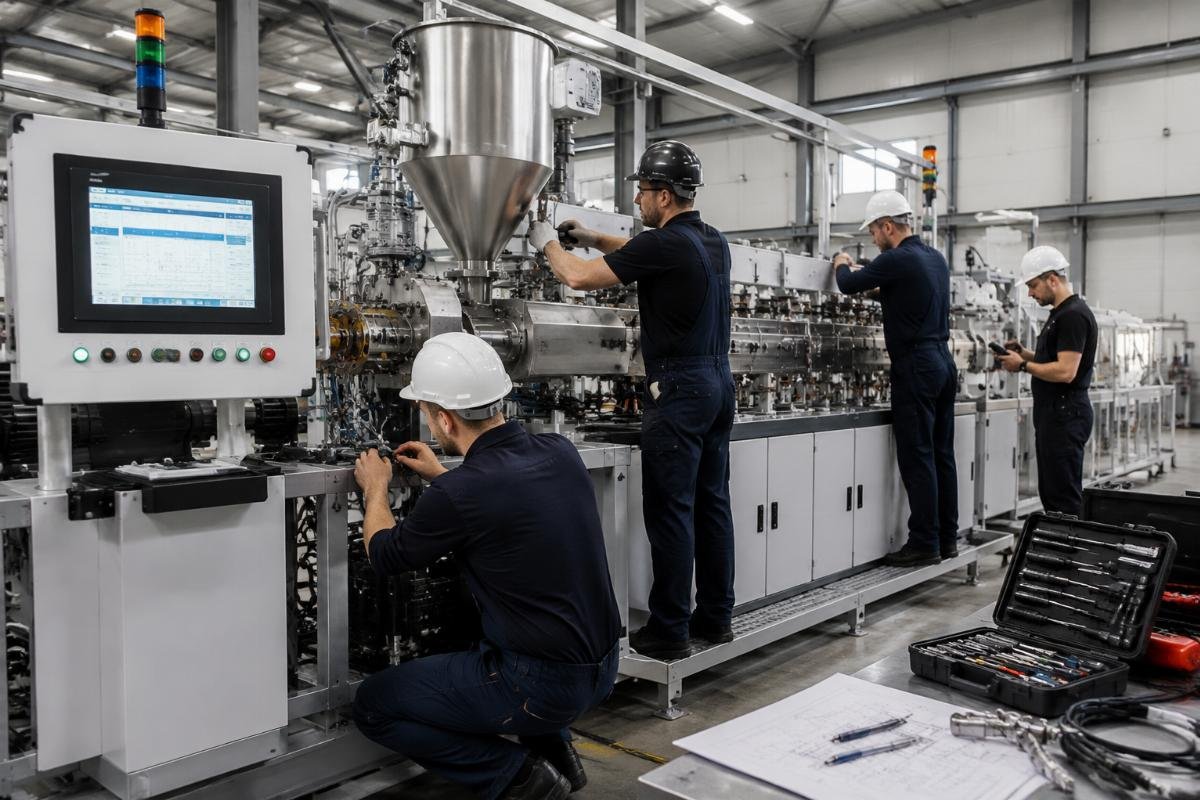
A Polish extrusion equipment distributor sourced CE-certified custom turnkey lines for 8 local EU clients in 2024, and all orders came with a 2-year warranty and lifetime technical support built into the project quotation without additional upcharge. [NEED_CITE: Factory-direct pre-certified Chinese extrusion equipment offers equivalent performance to EU-manufactured units at 30-50% lower total cost.]
- Pricing Comparison – Request line item quotes for identical configurations from both EU brands and pre-certified Chinese suppliers to validate the 30-50% cost difference.
- Support Scope Confirmation – Verify that on-site installation, operator training, and warranty coverage apply to the full CE-certified line, not just individual components.
- Customization Compatibility – Confirm that any custom modifications you request to the line will still fall within the existing CE certification scope to avoid re-testing requirements.
Conclusion
Valid CE certification for extrusion equipment requires far more than a single paper document, and pre-certified Chinese suppliers deliver unmatched value for EU-based buyers. By prioritizing full line certification, verifying documentation against official EU databases, and leveraging the standard support packages offered by experienced Chinese manufacturers, you can eliminate customs delays, avoid unplanned certification costs, and lock in reliable equipment that meets all mandatory EU regulatory requirements. The common assumption that certified units from China will cost more or take longer to deliver is consistently disproven by real-world client outcomes, making this a low-risk, high-reward sourcing strategy for any extrusion operation operating in the European market.